

How to choose a dry suit for your first purchase
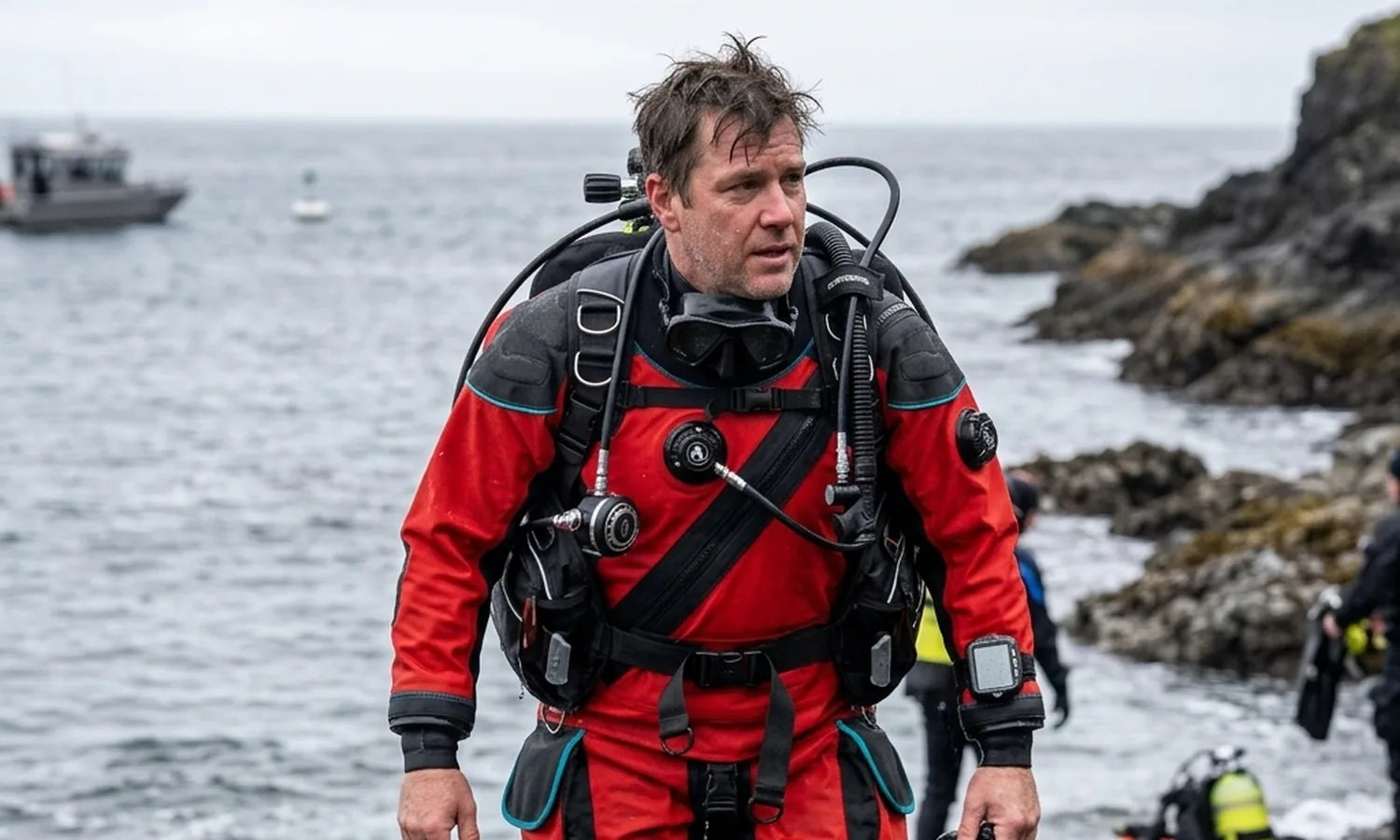
Buying your first dry suit is a different decision from buying a wetsuit, jacket, or casual outdoor layer. A dry suit is a waterproof system. Fit, shell material, seals, zipper placement, valves, boots, undergarments, and the way you plan to use it all matter.
For your first dry suit purchase, start with the environment and activity, then compare fit, shell material, zipper layout, neck and wrist seals, inflator and exhaust valves, boots or socks, pockets, reinforcement zones, and after-purchase support. If you are unsure, choose a supplier that can help you confirm sizing and configuration before you order.
Start with the reason you need a dry suit
The best first dry suit is not the same for every buyer. A cold-water diver, a rescue team member, a kayak guide, and a commercial marine operator may all search for a dry suit, but they care about different failure points.
Before comparing products, write down the main use case. Are you diving in cold water? Training with a dive center? Working around boats or docks? Joining a rescue or swiftwater program? Paddling in shoulder seasons? The answer changes the type of suit, seals, boots, mobility, visibility, and reinforcement you should prioritize.
Cold-water diving
Focus on fit with undergarments, valve access, mobility, boot or sock configuration, and how the suit works with your fins, hood, gloves, BCD or wing, and training habits.
Rescue and public safety
Focus on high-visibility colors, reflective details, reinforced lower-body areas, quick entry, pockets, boots, and repeatable sizing for a team.
Paddle, rafting, and surface water use
Focus on shoulder mobility, comfort, seal choice, boot or sock setup, color identification, and seasonal replacement planning.
Fit is the first real buying decision
A dry suit should not be selected only by your normal clothing size. It has to leave room for movement and the undergarments you will wear in cold conditions. A suit that is too tight can restrict reach, trim, paddling, kneeling, or entry and exit. A suit that is too loose can create drag, awkward folds, and poor control.
First-time buyers should confirm height, weight, chest, waist, hips, torso length, inseam, boot size, undergarment plan, and expected movement. If the suit will be used by a team, do not guess. Create a size run and ask about sample review or made-to-measure planning.
Choose shell material based on how you will use the suit
Many first-time buyers compare tri-laminate and neoprene dry suits. A tri-laminate dry suit is usually treated as a waterproof shell. Warmth comes mainly from undergarments, which gives you more layering flexibility. A neoprene dry suit can feel thicker and warmer, but it may have different drying, buoyancy, and mobility tradeoffs.
For first purchase decisions, do not ask which material is universally better. Ask which material fits your activity, water temperature, mobility needs, drying expectations, service plan, and replacement budget.
Do not ignore seals, zippers, valves, and boots
These details decide whether the suit is comfortable and practical in real use. The neck and wrist seals control water entry and comfort. The waterproof zipper affects entry, mobility, and donning. Inflator and exhaust valves affect control for diving. Boots or socks affect traction, fin fit, deck movement, and replacement planning.
If you are buying your first dry suit, compare the complete system, not only the front product photo. TOB's drysuit materials, seals, zippers, and boots guide is a good next step before you narrow the product list.
Think about durability before you think about price
A lower-priced dry suit can become expensive if it is wrong for the mission. Knees, seat, elbows, shoulders, boots, lower legs, pockets, and reflective panels all take wear in different ways. If you are walking over rocks, working around boats, kneeling on decks, training often, or using the suit for rescue, reinforcement zones matter.
For professional or team buyers, total cost includes fit support, samples, replacement parts, sizing consistency, and the ability to reorder similar suits later.
First dry suit purchase checklist
- Define the main activity: cold-water diving, rescue, paddle, commercial marine, training, or mixed use.
- Confirm water temperature, season, exposure time, and undergarment needs.
- Check measurements, boot size, mobility needs, and whether standard sizing is enough.
- Compare shell material, zipper placement, seals, valves, boots or socks, pockets, and reinforcement zones.
- Decide whether visibility, team colors, logos, or private-label requirements matter.
- Ask about sizing support, sample review, replacement planning, and delivery timing before ordering.
Where to start on TOB Outdoors Canada
If this is your first dry suit purchase, begin with the TOB Drysuits collection. Then use the professional drysuit resource hub to compare use cases, sizing, materials, and team quote needs.
If you are buying for a dive center, rescue unit, paddle program, or commercial marine team, send TOB your use case, expected quantity, sizing range, shell preference, seal and boot requirements, color or branding needs, and target delivery window.
FAQ
What should I look for when buying my first dry suit?
Start with use case, fit, undergarments, shell material, zipper placement, neck and wrist seals, valves, boots or socks, pockets, reinforcement zones, and supplier support.
Is a dry suit better than a wetsuit for cold water?
A dry suit is usually the better direction when you need to stay dry, layer insulation underneath, or operate in colder water for longer exposure. The right choice still depends on the activity, water temperature, and training.
Should a first-time buyer choose tri-laminate or neoprene?
Tri-laminate suits are often chosen for layering flexibility and shell mobility. Neoprene suits can feel warmer and thicker. First-time buyers should decide based on use case, fit, drying expectations, service needs, and mobility.
Can TOB help before I order my first dry suit?
Yes. Buyers can contact TOB Outdoors Canada with use case, sizing, quantity, material preference, seal and boot needs, colors, logos, and delivery timing before ordering.