Technical drysuits for cold-water diving and rescue work

TOB Drysuit Program

Professional Drysuitsfor Diving, Rescue &Cold-Water Work

Compare technical drysuits for North American divers, rescue teams and cold-water professionals. Start with your use case, then confirm sizing and configuration with TOB Outdoors Canada before ordering.

Choose by mission

Build the page around how divers actually buy drysuits

Cold-water divers compare warmth and mobility. Rescue teams look for durability and easy service. Technical divers care about trim, valve placement and equipment compatibility.
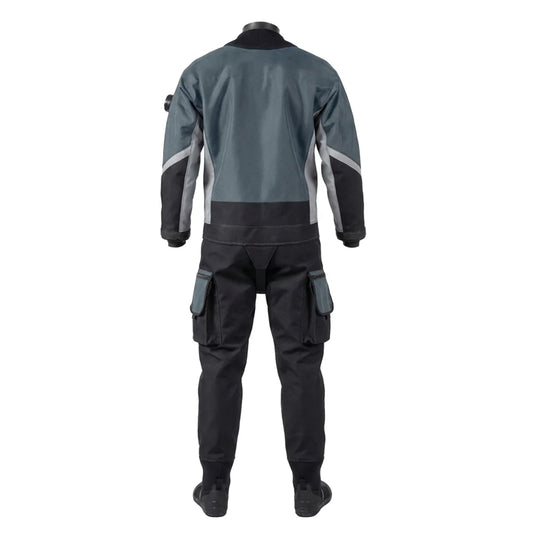
Professional drysuit manufacturing and product detail Technical diving

Trim, mobility and thermal layering

Compare shell materials, zipper entry, undergarment space and valve setup for cold-water dives.

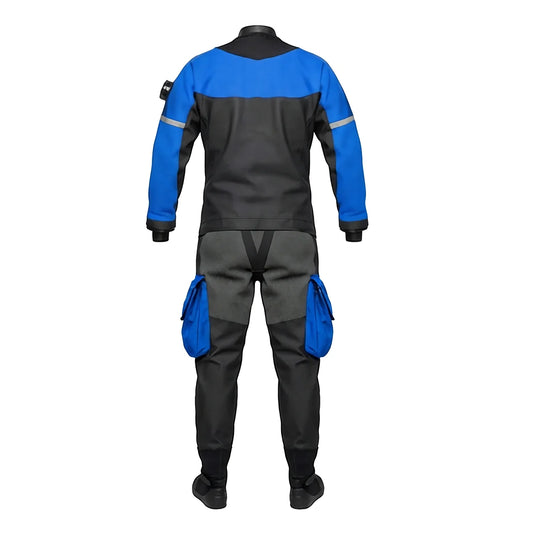
Rescue teams

Durable suits for training and response

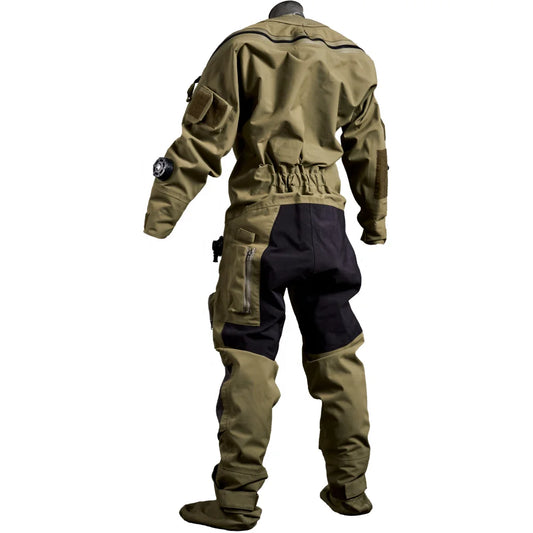
Prioritize reinforced wear zones, simple donning, clear sizing and dependable configuration support.

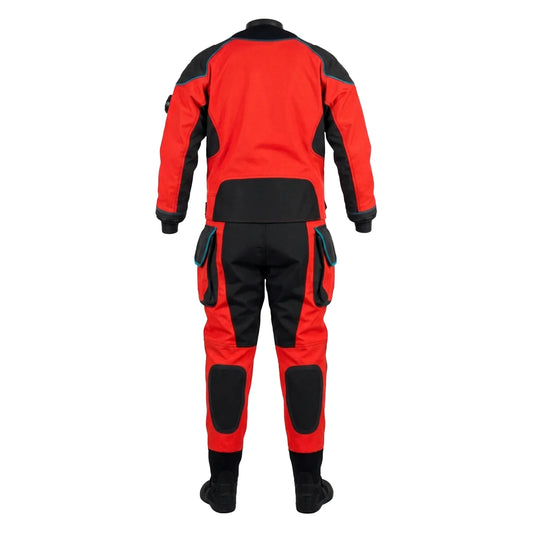
Drysuit production and quality control process Cold-water work

Practical details before price

Check seals, boots, pockets and reinforcement options before choosing the lowest-priced listing.

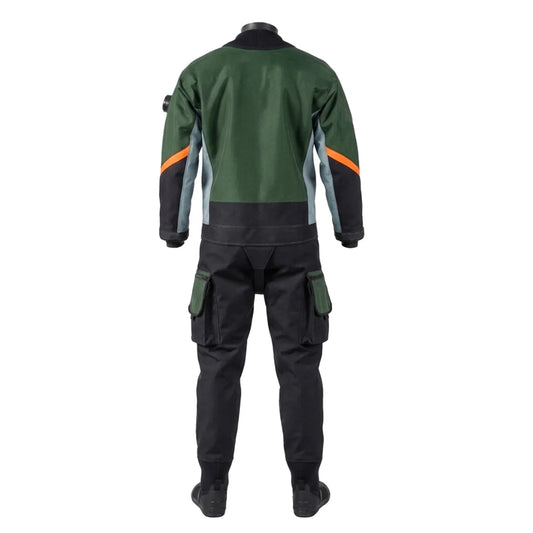
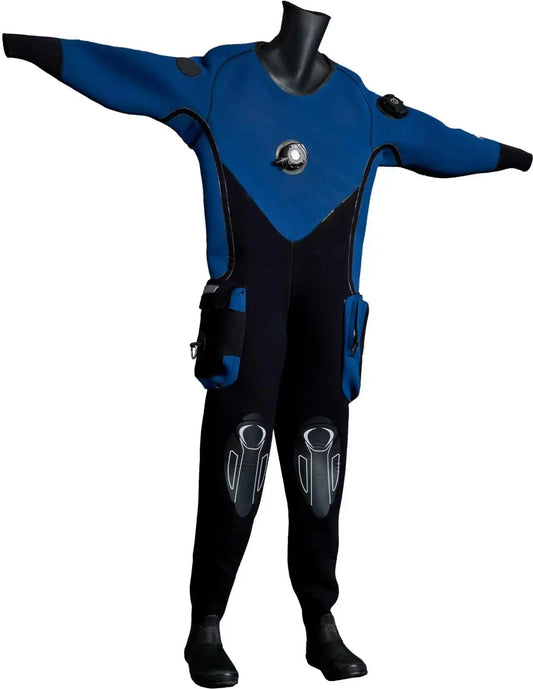
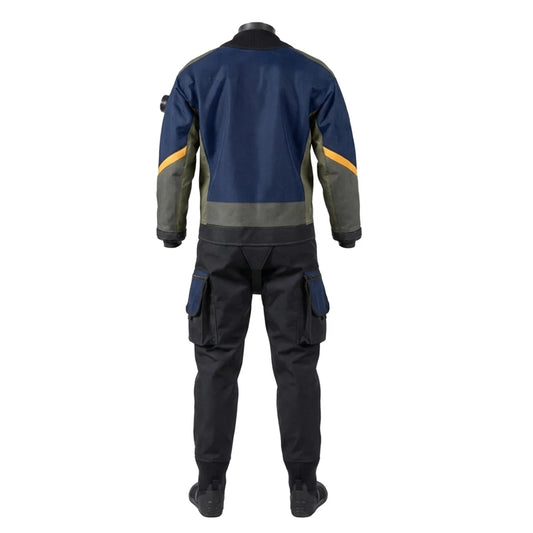
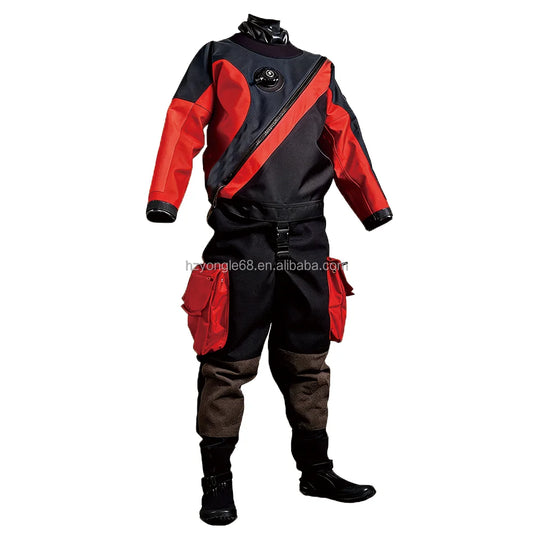
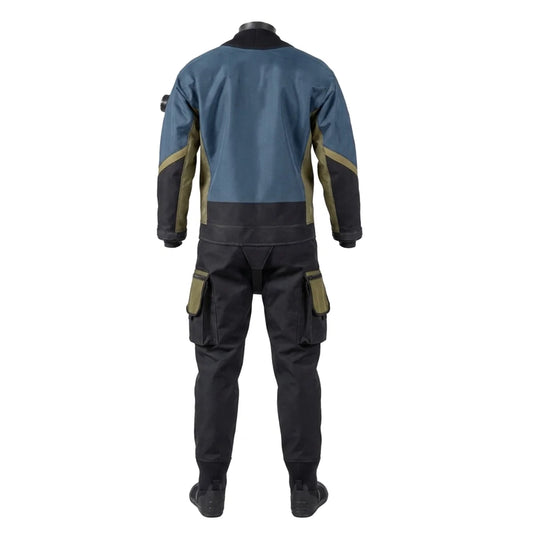
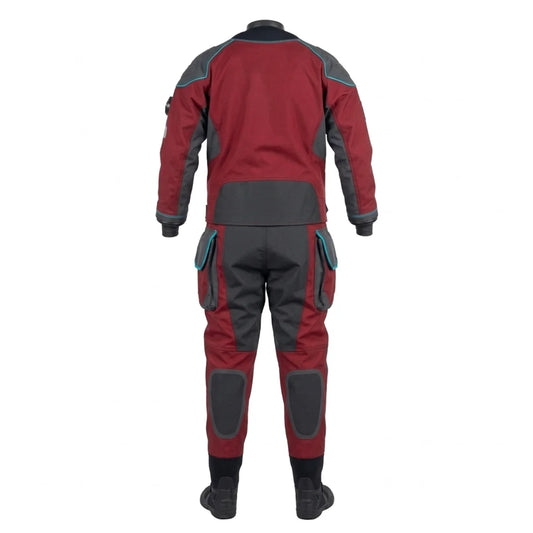
Full front view of a technical drysuit with chest zipper, valves, reinforced knees and integrated boots

Technical comparison

Show the specifications customers expect to compare

Use each product page to confirm the exact model configuration. This section gives buyers the vocabulary to ask better questions.
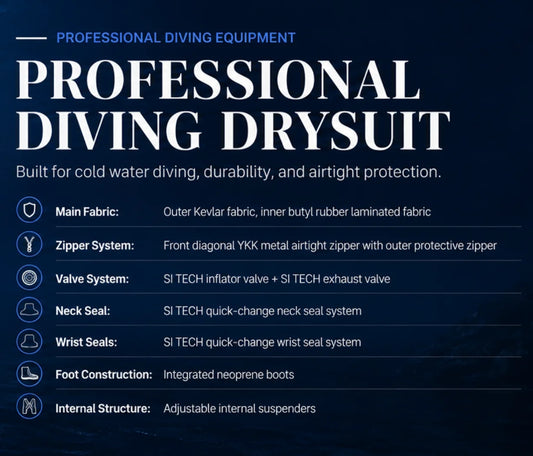
Shell systemCompare 3-layer laminated shells, neoprene options and reinforced fabric zones by product.
Entry zipperFront, chest or back-entry designs affect donning, mobility and service access.
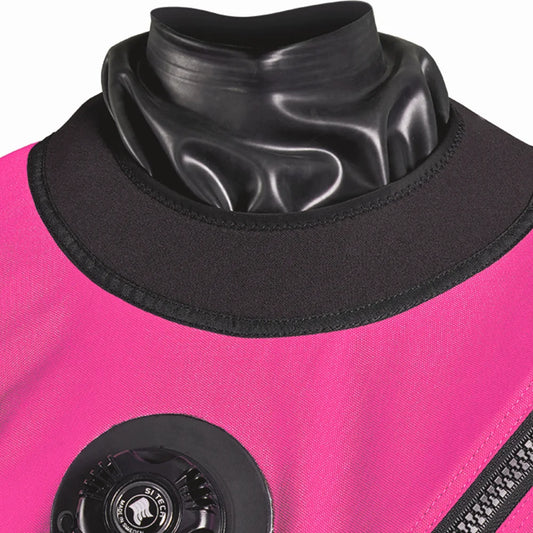
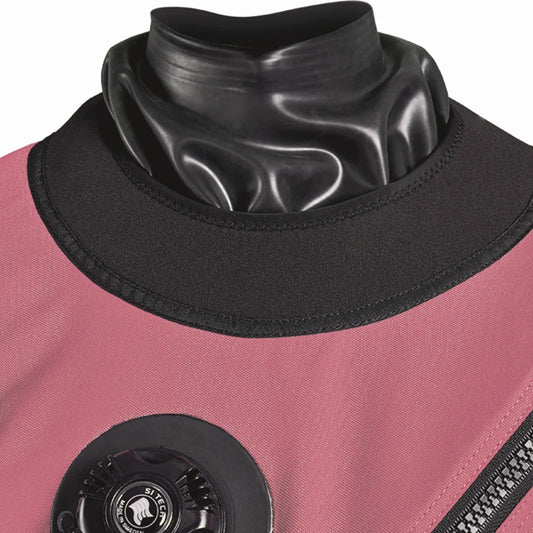
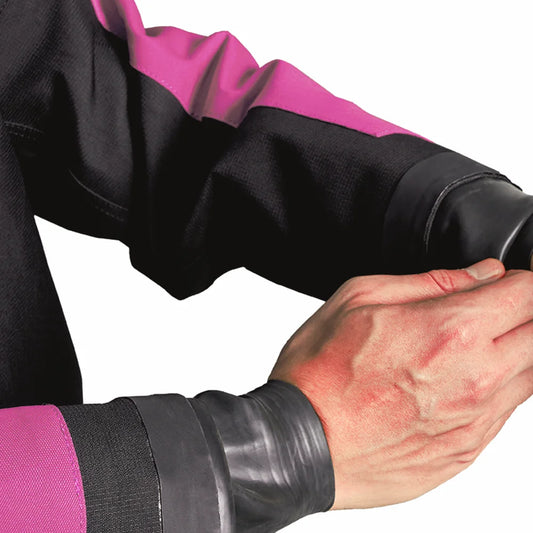
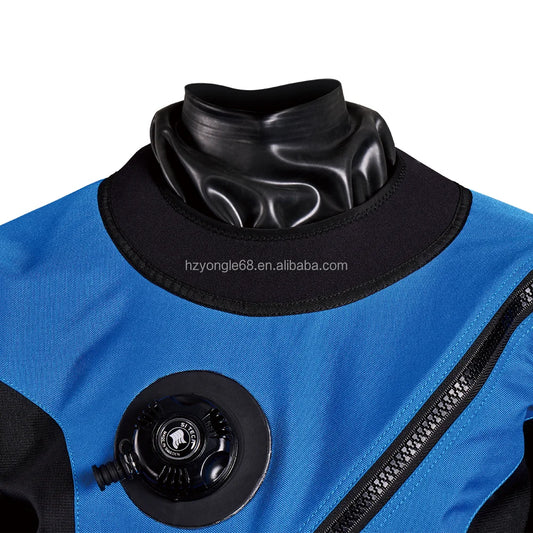
Seals & valvesConfirm neck and wrist seal type, inflation valve placement and exhaust valve setup before ordering.
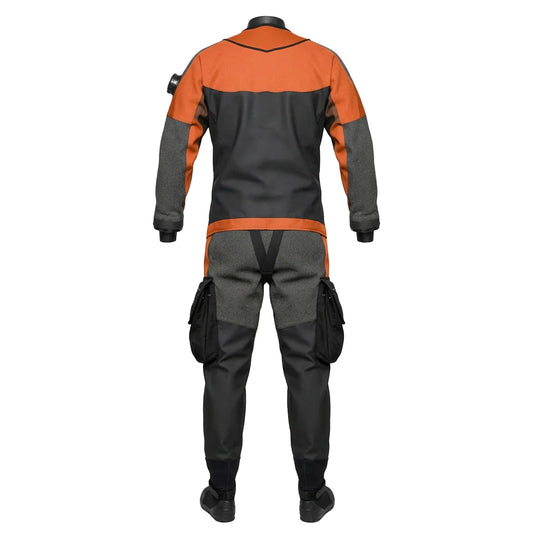
ReinforcementLook for knees, seat, elbows, pockets and abrasion areas based on diving or rescue use.
Boot systemReview integrated boots, socks, rock boots and fin compatibility with your current gear.
Fit planUse standard sizing only after checking undergarments, height, weight and mobility requirements.

Fit and configuration

A consultative path for a high-value drysuit purchase

Borrow the made-to-measure logic from specialist drysuit makers: gather use case, measurements and configuration details before pushing customers into checkout.
1

Define the use case

Tell us whether the suit is for cold-water diving, rescue training, team operations or underwater work.

2

Confirm measurements

Share height, weight, key body measurements and the undergarments you plan to wear.

3

Review configuration

Discuss zipper, seals, boots, pockets, reinforcement and accessory compatibility before ordering.

4

Place the right order

Choose the listing or request help so the product, sizing and expectations are aligned.

Need sizing or team purchasing help?Send your use case and measurements before ordering a drysuit.
Start Drysuit Inquiry

Drysuit Guides

Request Drysuit Sizing Help

TOB buyer guidance

How to compare TOB professional drysuits

Use this collection to compare drysuits by intended use, fit, shell material, seals, valves, boots, pockets, and replacement planning.

Best use cases

Drysuits in this collection are presented for cold-water diving, rescue teams, commercial marine crews, technical divers, and paddle programs.

What to compare

Review shell fabric, zipper position, valve setup, seal type, boot or sock configuration, pocket layout, and reinforcement zones.

Before bulk buying

Teams should confirm annual quantity, sizing range, sample needs, colors, logos, and target delivery timeline with TOB before ordering.