

Drysuit Maintenance and Replacement Planning for Dive Centers and Rescue Teams
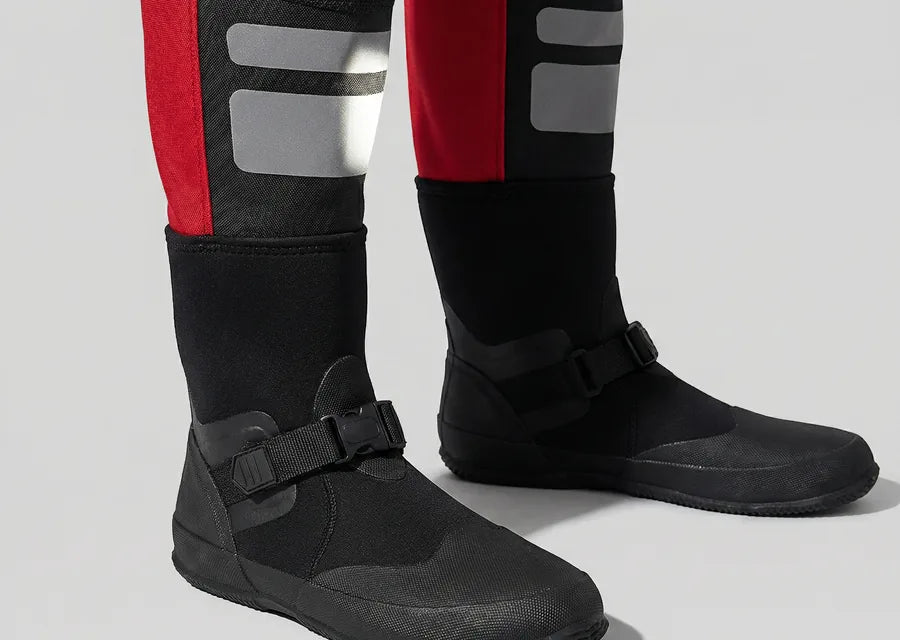
Professional drysuit buying does not end at delivery. Dive centers, rescue teams, and marine programs need a replacement plan for seals, boots, zippers, valves, and high-wear zones.
A drysuit maintenance plan should track rinse and drying habits, zipper care, seal condition, valve checks, boot wear, pocket and reinforcement damage, leak reports, operator sizing, and replacement timing. Teams should plan spare parts and replacement cycles before the busy season.
Track the parts that usually decide service life
The shell matters, but many drysuit issues appear first in components. Neck and wrist seals, waterproof zippers, inflator and exhaust valves, boots, socks, pockets, and reinforced panels all deserve regular inspection.
For team programs, the goal is not only to repair problems. The goal is to identify recurring wear patterns so the next order is better specified.
Seals
Latex and neoprene seals should be checked for cracking, stretching, cuts, comfort complaints, and replacement timing.
Boots and lower legs
Boots, socks, lower-leg panels, reflective details, and knee areas should be checked after rocky shore, dock, boat, and training use.
Zippers and valves
Zippers and valves should be inspected for smooth operation, damage, leakage complaints, and compatibility with operator habits.
Build maintenance into procurement
A team that buys only by unit price may miss the real cost of ownership. Replacement planning should be part of the initial buying conversation.
Ask which configurations reduce wear in the team's environment, which sizes need backup, and which components should be standardized for future orders.
Use inspection data for the next TOB quote
Before reordering, review the drysuit component guide and the custom sizing guide.
Send TOB your failure points, repair history, operator feedback, and replacement quantities. That information is more useful than a generic reorder request.
Maintenance and replacement checklist
- Record operator, size, purchase date, primary use case, and assigned unit.
- Inspect seals, zipper, valves, boots or socks, pockets, reflective panels, and reinforced zones.
- Log leaks, comfort complaints, mobility issues, and repeated wear points.
- Plan spare sizing or replacement units before peak season.
- Use inspection results to improve the next RFQ.
FAQ
How should a team plan drysuit replacement?
Track use, wear, leaks, repairs, operator feedback, and seasonal demand. Then plan replacements by use case, size range, and component wear.
What drysuit parts should be inspected most often?
Inspect seals, zippers, valves, boots or socks, pockets, knees, seat, elbows, shoulders, and lower-leg reinforcements.
Can replacement planning help future drysuit orders?
Yes. It helps buyers choose better reinforcements, components, sizes, and quantities for the next TOB order.