Tri-laminate or neoprene direction
Compare shell feel, drying time, insulation strategy, repair expectations, and mobility across cold-water diving conditions.
Technical diving drysuits
Dive centers and advanced programs should compare drysuits by trim, mobility, shell weight, valve placement, seal preference, boot or sock configuration, and serviceable parts.
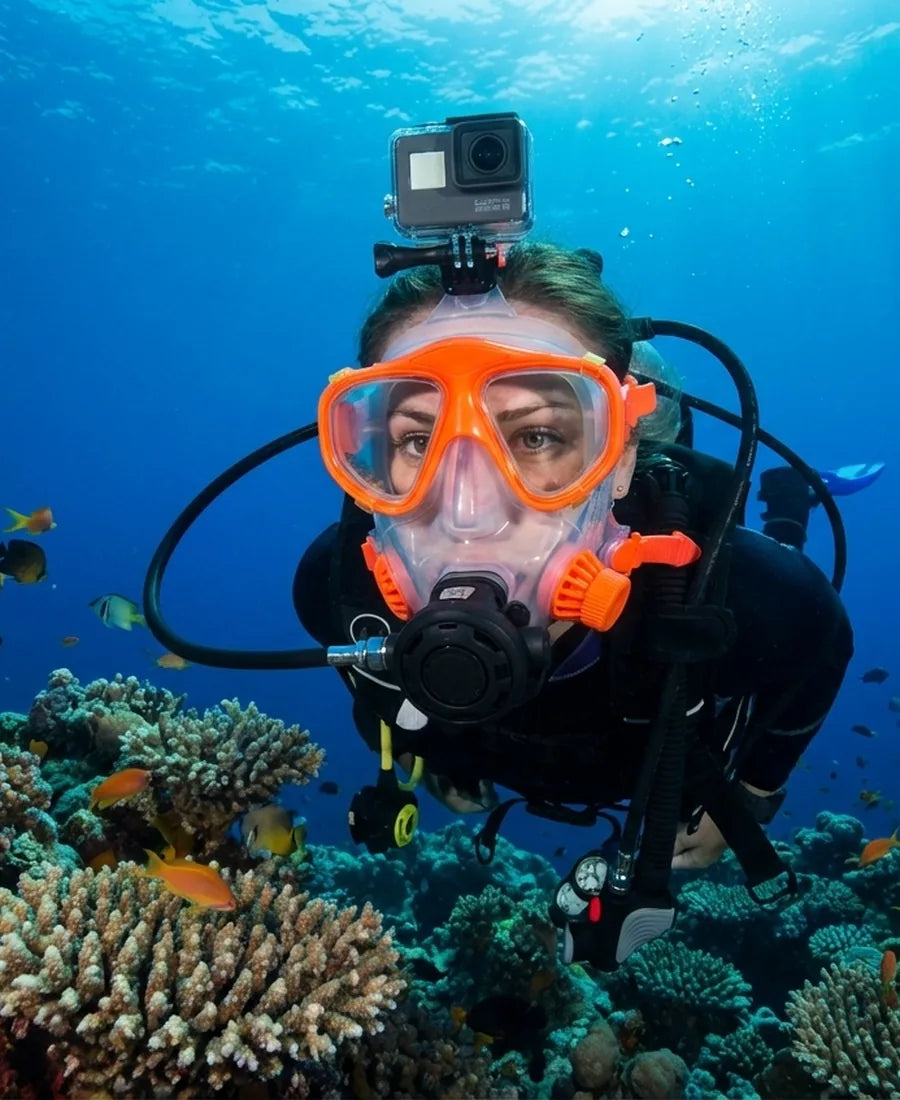
Fit must support valve reach, shutdown drills, finning, undergarments, and controlled ascent.
Compare valves, seals, boots, pockets, zipper position, and shell material as one system.
Dive centers should standardize sample sizes, replacement parts, and staff training needs.
The drysuit has to work with undergarments, fins, BCD or wing, cylinders, gloves, hood, and training procedures. A low-profile look is helpful only when the build supports movement and repeat use.
Compare shell feel, drying time, insulation strategy, repair expectations, and mobility across cold-water diving conditions.
Valve placement should be easy to reach with gloves, undergarments, and typical technical diving equipment.
Latex or neoprene seals, boot or sock choices, dry glove planning, and replacement expectations matter for training fleets.
A strong starting point for advanced buyers comparing mobility, reinforcement, and cold-water build details.
Useful for dive centers comparing team sizing, front-entry access, and repeatable ordering.
Review shell, zipper, valves, seals, boots, pockets, and reinforcement before selecting a product.
Yes. TOB presents drysuits for cold-water diving, technical diving, rescue teams, commercial marine crews, and paddle or surface-water programs.
Confirm use case, sizing range, undergarment needs, mobility expectations, shell material, zipper placement, seals, valves, boot or sock setup, pockets, reinforcements, quantity, and delivery timing.
Yes. Buyers should send TOB their program details, target quantity, sizing spread, sample needs, color or logo requirements, and replacement planning needs before purchasing.
Dive centers should send sizing range, training use, undergarment assumptions, sample needs, shell preference, seal and boot expectations, replacement timing, and annual quantity.
Share your use case, expected quantity, sizing range, shell preference, seal and boot requirements, color or branding needs, sample plan, and target delivery window. TOB can help point your team toward the right drysuit path before you place an order.